Phoenix OS 360, a forked Android-x86 distribution targeting desktop and laptop hardware, has drawn attention for bringing an Android-like experience to PC form factors. The variant you mention — “Phoenix OS 360 based on Android 7.1 VDI install” — suggests a build that combines the Android Nougat (7.1) userland with features tailored for virtual desktop infrastructure (VDI) or virtualized deployment. Below I examine its strengths, limitations, deployment considerations, security and compatibility implications, and practical recommendations.
Phoenix OS 360, a forked Android-x86 distribution targeting desktop and laptop hardware, has drawn attention for bringing an Android-like experience to PC form factors. The variant you mention — “Phoenix OS 360 based on Android 7.1 VDI install” — suggests a build that combines the Android Nougat (7.1) userland with features tailored for virtual desktop infrastructure (VDI) or virtualized deployment. Below I examine its strengths, limitations, deployment considerations, security and compatibility implications, and practical recommendations.
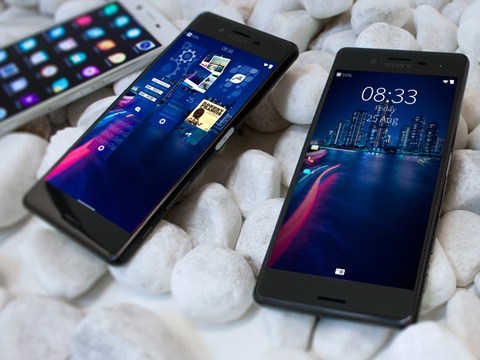
Note: This is an unofficial community page about the Open Devices Project by Sony. For the official website, refer to Open Devices · Sony.com. This page is neither affiliated with nor endorsed by Sony or any of its subsidiaries.