

.jpg)
Featured Products
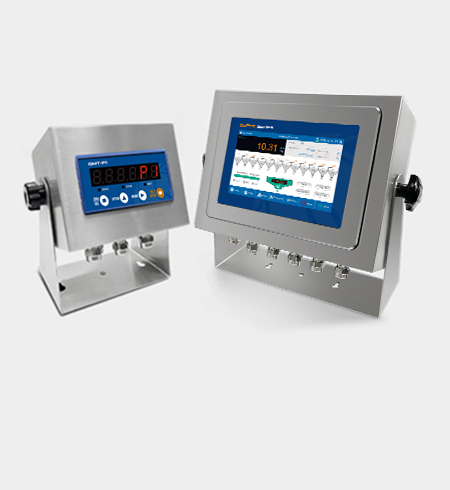
Weighing indicators
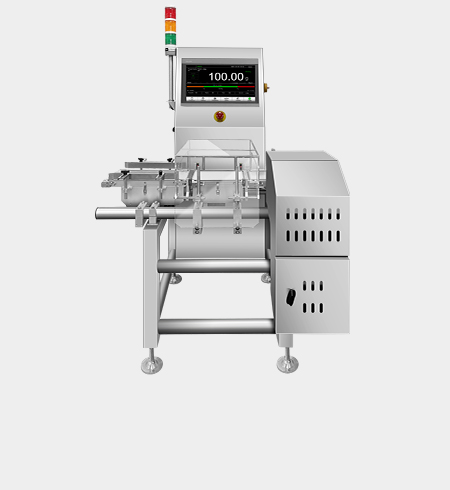
Checkweighers
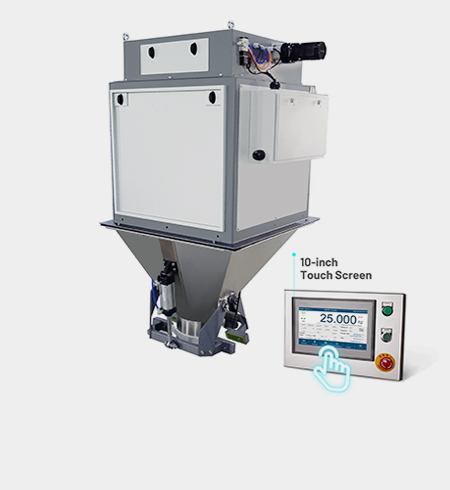
Bagging Scales
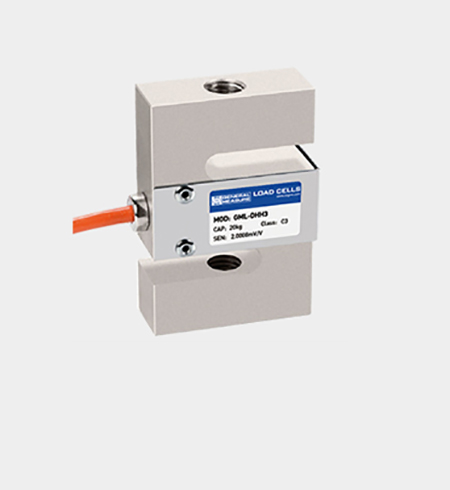
Load Cells
One of the most iconic features of the old version was the "happy" system, which measured a farm's overall happiness based on factors such as crop yields, animal health, and visitor satisfaction. Players could increase their farm's happiness by performing various tasks and activities, which in turn would attract more visitors and rewards.
Despite the release of newer versions and sequels, the old version of Goodgame Farmer remains popular to this day. So, why do players continue to flock to this retro game? For one, the game's simplicity and accessibility make it easy to pick up and play, even for new players.
In Goodgame Farmer, players took on the role of a budding farmer, tasked with building and managing their own agricultural empire. The game started with a small plot of land and a few basic crops, but as players progressed, they could expand their farm, plant new crops, raise livestock, and engage in various activities such as fishing and cooking.
_Manual_Batching_Mode.jpg)
One of the most iconic features of the old version was the "happy" system, which measured a farm's overall happiness based on factors such as crop yields, animal health, and visitor satisfaction. Players could increase their farm's happiness by performing various tasks and activities, which in turn would attract more visitors and rewards.
Despite the release of newer versions and sequels, the old version of Goodgame Farmer remains popular to this day. So, why do players continue to flock to this retro game? For one, the game's simplicity and accessibility make it easy to pick up and play, even for new players.
In Goodgame Farmer, players took on the role of a budding farmer, tasked with building and managing their own agricultural empire. The game started with a small plot of land and a few basic crops, but as players progressed, they could expand their farm, plant new crops, raise livestock, and engage in various activities such as fishing and cooking.