

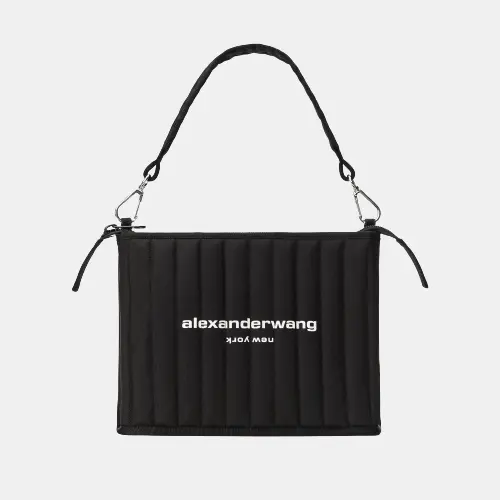
Alexander wang (1)
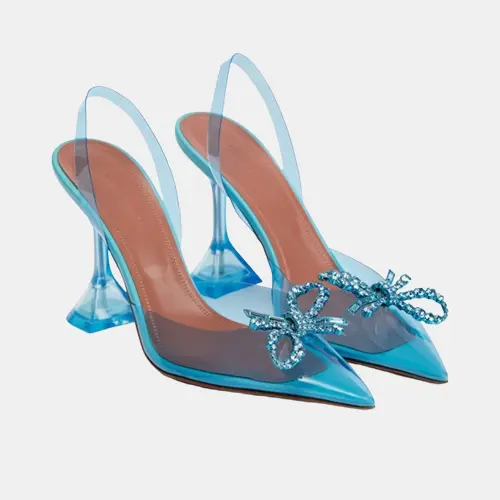
Amina muaddi (0)
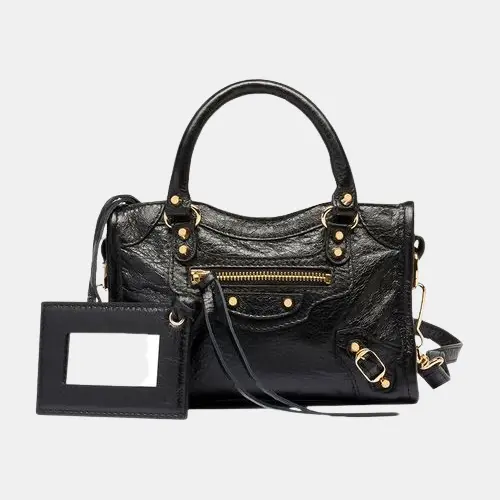
BALENCIAGA (12)
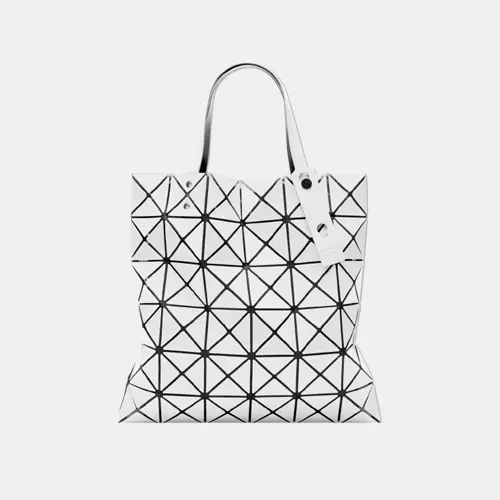
BAO BAO (0)
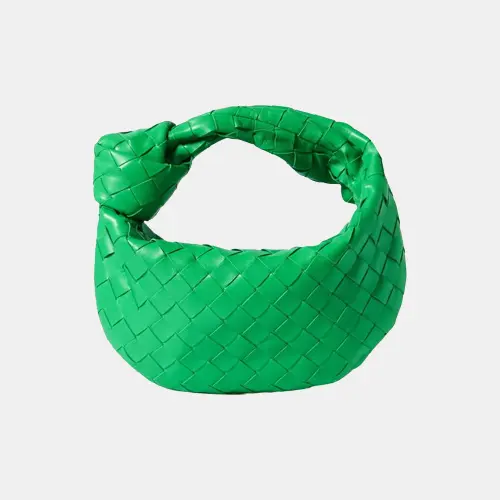
BOTTEGA VENETA (0)
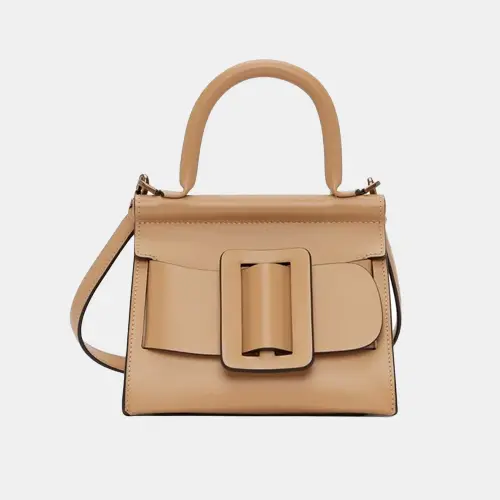
BOYY (15)
BULGARI (0)

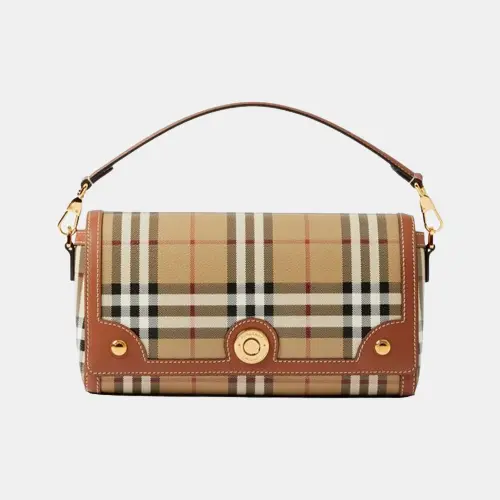
BURBERRY (3)
CARTIER (0)

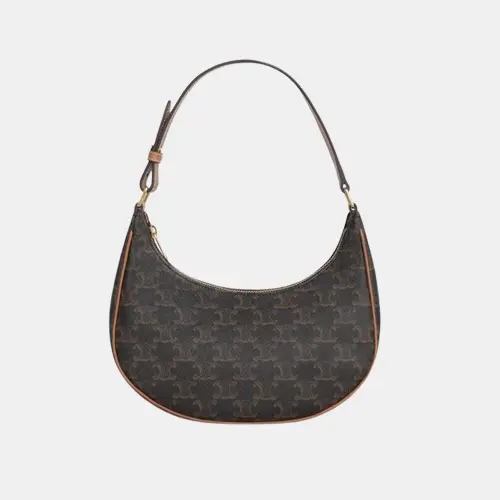
CELINE (7)
Chanel (76)

They call it emload: a pressure that arrives soft and strange, like damp cotton settling on the chest. For teenagers it’s both cloak and crack, an invisible humidity that changes the way colors sit on a page, the timbre of laughter, the cadence of heartbeats. Emload teen is not a single thing but a chorus — fear and hope braided together, boredom and hunger, the ache for authenticity and the labor of becoming.
There are afternoons when emload grows weighty and warm, a humidity that asks for companionable silence more than explanation. A teen becomes an archive of sensations: a shirt that still smells like yesterday’s rain, a playlist that maps the day’s moods, hands stained by ink or paint like evidence of making. Emload doesn’t always demand action. Sometimes it simply holds — a patient, damp embrace that waits for the next small movement: a text sent, a door opened, a step outside.
There is also rupture. Emload can harden into isolation, days telescoping into sameness until movement seems impossible. In those times, words feel heavy and heavy-handed remedies feel worse. What helps is often small and stubborn: a walk that lasts two blocks longer, a call from someone who knows how to listen, a song shared at the exact minute it’s needed. Tender interventions—an offered tea, a hand on a shoulder, a note left in a locker—do not fix everything, but they alter the humidity enough to let breath expand.
There are mornings when emload feels like fogged glass. A teen wakes and the world is muted; names, places, decisions slide without purchase. Homework and messages pile at the edges of consciousness like wet leaves. Things that once shone—sports, study, small conspiracies of friends—lose their luster, as if someone dimmed the bulbs to a gentler, suspicious glow. Yet in that dimness, tiny details find new life: the texture of cardboard, the way sunlight curls through a cracked window, the honest awkwardness of a confession scribbled into a notebook.
Lorem ipsum dolor sit amet, consectetuer adipiscing elit, sed diam nonummy nibh euismod tincidunt ut laoreet dolore magna aliquam erat volutpat. Ut wisi enim ad minim veniam, quis nostrud exerci tation ullamcorper suscipit lobortis nisl ut aliquip ex ea commodo consequat.
MOREThey call it emload: a pressure that arrives soft and strange, like damp cotton settling on the chest. For teenagers it’s both cloak and crack, an invisible humidity that changes the way colors sit on a page, the timbre of laughter, the cadence of heartbeats. Emload teen is not a single thing but a chorus — fear and hope braided together, boredom and hunger, the ache for authenticity and the labor of becoming.
There are afternoons when emload grows weighty and warm, a humidity that asks for companionable silence more than explanation. A teen becomes an archive of sensations: a shirt that still smells like yesterday’s rain, a playlist that maps the day’s moods, hands stained by ink or paint like evidence of making. Emload doesn’t always demand action. Sometimes it simply holds — a patient, damp embrace that waits for the next small movement: a text sent, a door opened, a step outside.
There is also rupture. Emload can harden into isolation, days telescoping into sameness until movement seems impossible. In those times, words feel heavy and heavy-handed remedies feel worse. What helps is often small and stubborn: a walk that lasts two blocks longer, a call from someone who knows how to listen, a song shared at the exact minute it’s needed. Tender interventions—an offered tea, a hand on a shoulder, a note left in a locker—do not fix everything, but they alter the humidity enough to let breath expand.
There are mornings when emload feels like fogged glass. A teen wakes and the world is muted; names, places, decisions slide without purchase. Homework and messages pile at the edges of consciousness like wet leaves. Things that once shone—sports, study, small conspiracies of friends—lose their luster, as if someone dimmed the bulbs to a gentler, suspicious glow. Yet in that dimness, tiny details find new life: the texture of cardboard, the way sunlight curls through a cracked window, the honest awkwardness of a confession scribbled into a notebook.