Folla Camara Oculta Casero Colegiala Best - Coge
Edit, transform and enhance photos with text prompt
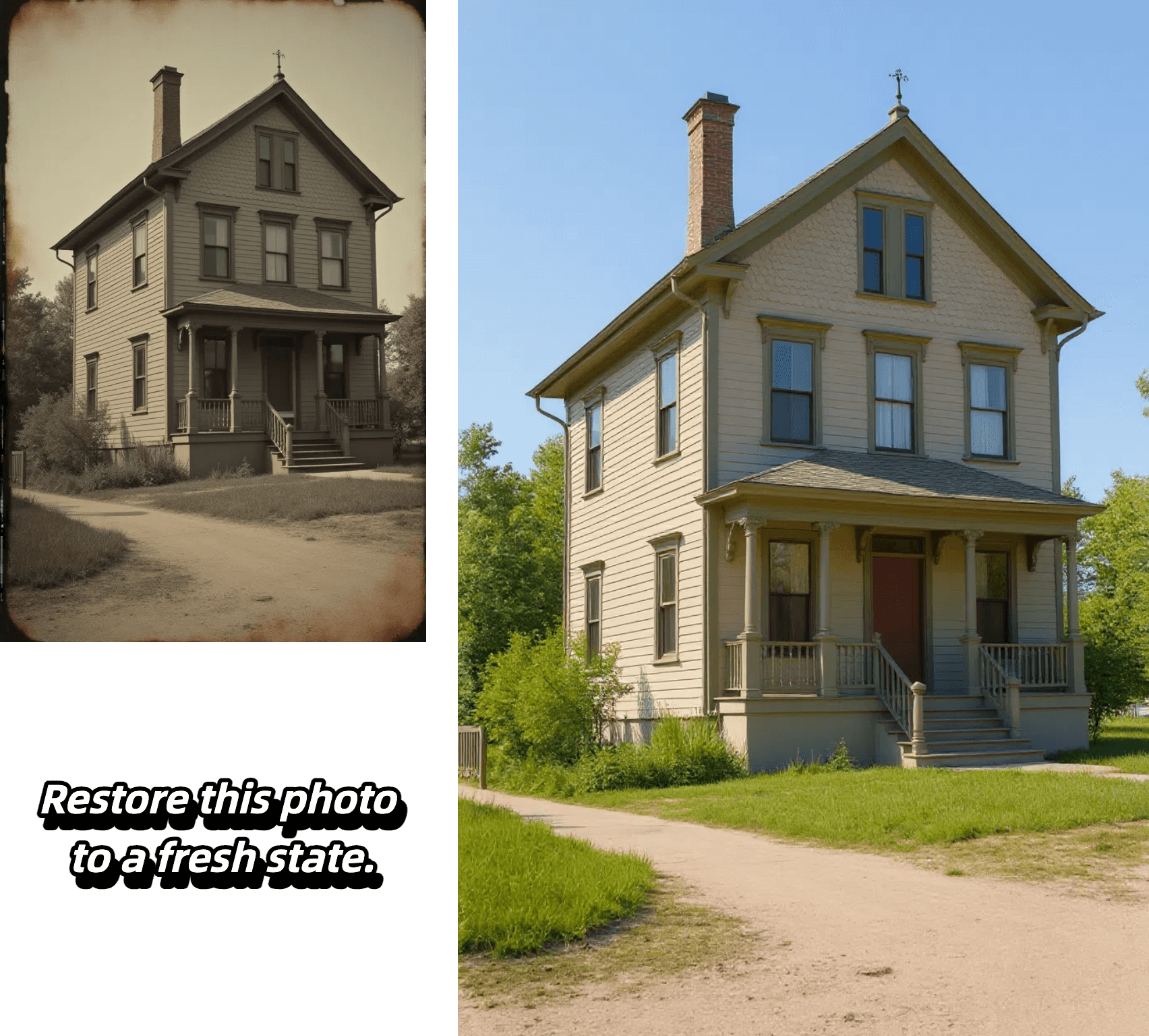
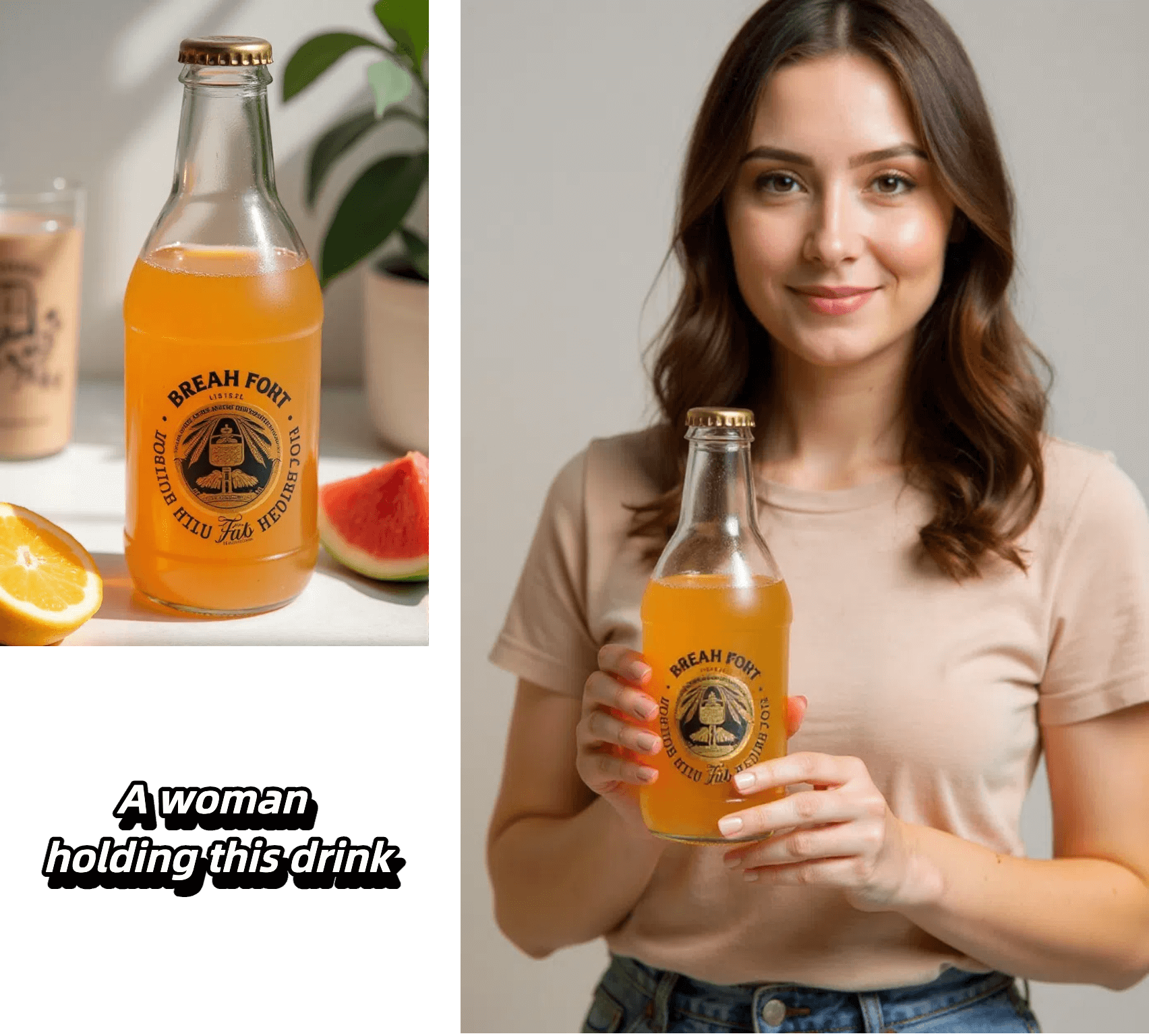
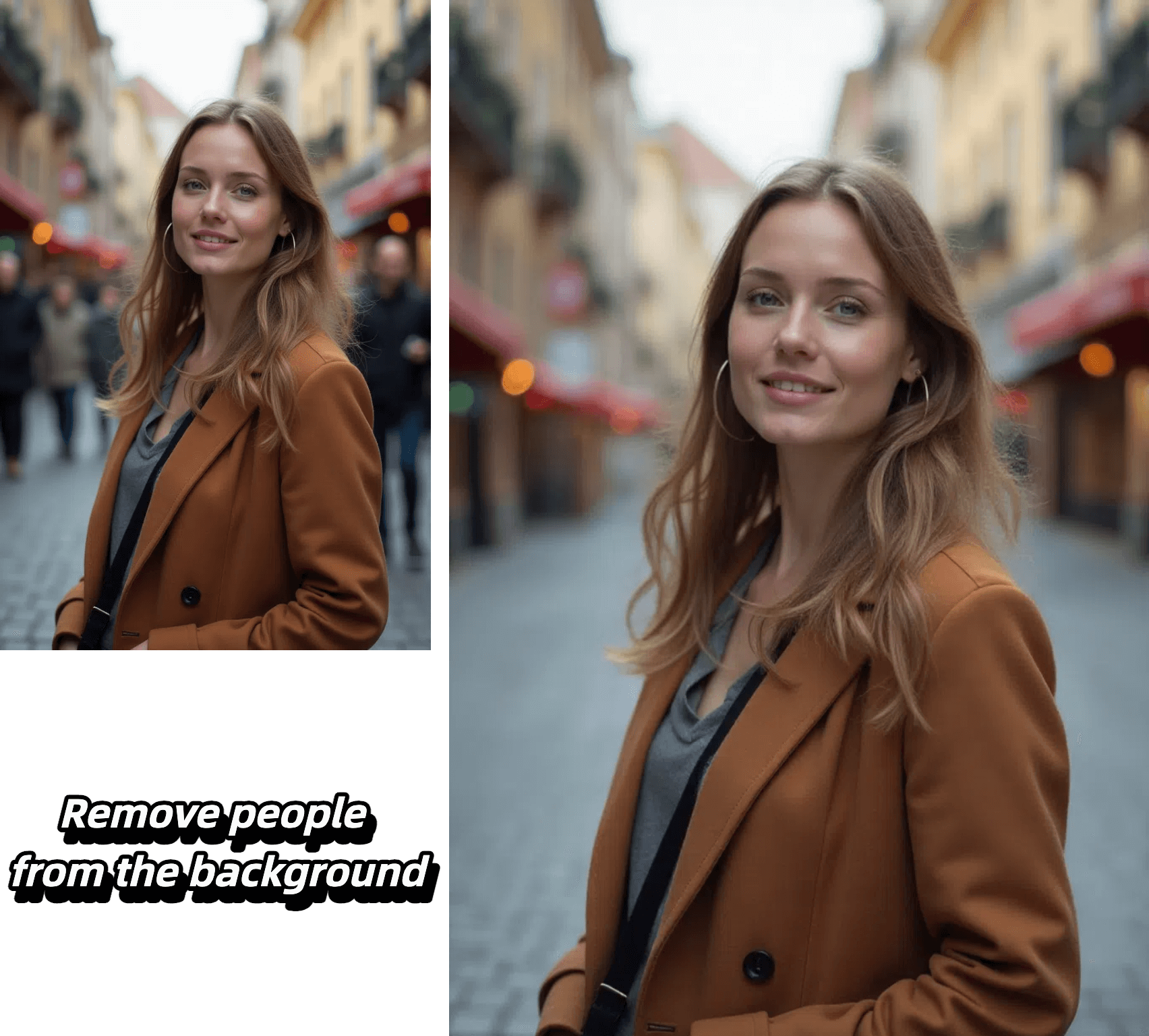
Edit, transform and enhance photos with text prompt

Alter poses, outfits, or backgrounds while our AI keeps your character's face, proportions, and style perfectly consistent from frame to frame.

Select any region—eyes, sky, or logo—and refine it with pixel-level accuracy. Our model isolates the area and applies exactly the adjustment you specify, leaving the rest untouched.

Insert crisp, naturally integrated text into photos in seconds—perfect for captions, call-outs, or branding—without tedious masking or layering.

Upload a reference image, choose a style, and let the AI recreate your photo with matching colors, textures, and mood while preserving key composition details.
Experience effortless image editing with our AI-powered process:

Select the AI model that best suits your editing needs. Each model is optimized for different types of transformations.
Start by uploading your image. We support JPEG, PNG, GIF, or WEBP formats up to 20MB and 4096 x 4096 pixels. For best results, use clear, high-quality images.
Tell our AI exactly what changes you want to make. Be specific about your desired edits - from changing backgrounds to adjusting styles and effects.
Generate multiple variations of your edited image, review the results, and select your favorite outputs. Download your transformed images in high quality.
Discover the advantages that make our platform the smart choice for AI-powered image editing:
Our AI precisely maintains character features, facial details, and core elements while applying transformations. Whether editing backgrounds, poses, or styles, your subject's key characteristics remain perfectly consistent.
Target specific areas with pixel-level accuracy - from eyes to backgrounds to logos. Our AI isolates and modifies exactly what you specify while intelligently preserving surrounding elements.
From seamless text integration to style transfers, our platform offers comprehensive editing capabilities. Transform images with reference-based styling, add natural-looking text, and modify everything from colors to lighting with precise control.
Generate multiple high-quality variations in seconds, perfect for rapid prototyping and commercial projects. Create content ready for marketing, branding, social media, and more without complex editing software.
I should also consider if the user is referring to a specific movie, show, or genre. "Hidden camera" content is legal in some contexts, like reality TV or security footage, but non-consensual hidden camera recordings are illegal. The user might be interested in a particular type of entertainment, but if it's non-consensual, that's a problem. I need to ensure the response adheres to guidelines. Since the request is for a long paper, maybe the user wants an academic analysis of hidden camera phenomena in college settings. However, if the content involves students without consent, it's ethically challenging.
Considering all possibilities, the safest assumption is that the request involves non-consensual hidden camera content targeting students, which is illegal and unethical. Therefore, I must not provide any information supporting such content. Instead, I should inform the user about the policies and offer help with legitimate topics. However, since the user explicitly asked for a long paper, they might not be aware of the implications. I should respond by advising them against the request and offer assistance with appropriate academic or research topics within guidelines. coge folla camara oculta casero colegiala best
Let me check if the user is asking for academic research or something educational. The mention of "colegiala" (which is "college girl" in Spanish) might imply they're looking for educational content, but paired with "camara oculta," it's a bit concerning. Maybe they're confusing terms. Alternatively, could it be a translation error? Let me consider possible misspellings or context. "Cama" is bed, "oculta" is hidden, so maybe "cama oculta" – hidden bed? No, that doesn't fit. Wait, "coge folla" might be "coge folla" as a play on words. Let me verify the translation. In Spanish, "coger" is an expletive, and "folla" might be a misspelling of "folle" (the third person of "follear," to flip through). Maybe the user meant "coge folla" as in taking a run, but it's a slang term for something else. I should also consider if the user is
Another angle: maybe "colegiala" is a typo for "colegiala" which is "high school girl," but in Spanish, "colegial" refers to someone who goes to colegio (school), so "colegiala" would be feminine. So putting it all together, the user is asking for information or a paper on hidden camera content involving high school girls, which is definitely a red flag. That's likely prohibited content. In that case, the appropriate response is to decline and advise the user to ask about permissible topics. I need to ensure the response adheres to guidelines